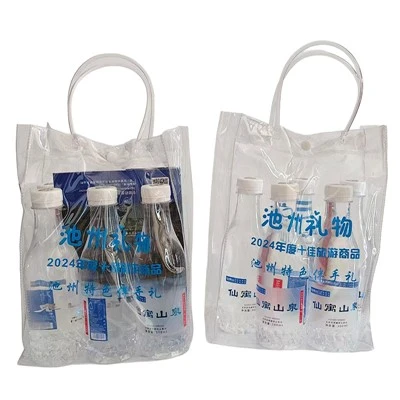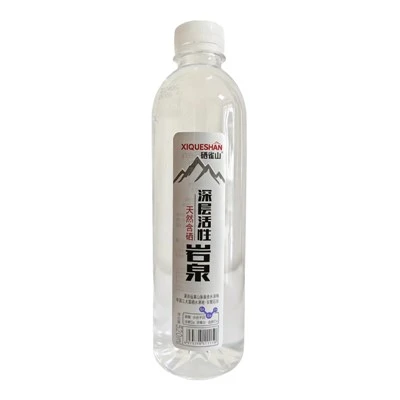

Hey there! As a supplier of Mineral Natural Water, I've got a ton of knowledge about where this amazing water comes from. So, let's dive right in and explore the main sources of Mineral Natural Water in the world.
Groundwater
One of the primary sources of Mineral Natural Water is groundwater. Groundwater is water that exists underground in soil pores and fractures. It's formed when precipitation, like rain or snow, seeps into the ground and is stored in aquifers. Aquifers are layers of rock or sediment that can hold and transmit water.
The water in aquifers can pick up minerals as it moves through the ground. These minerals can include calcium, magnesium, potassium, and iron, among others. The type and amount of minerals in the water depend on the geology of the area. For example, water from an aquifer in a limestone region may have higher levels of calcium and magnesium.
Groundwater is often considered a high - quality source of Mineral Natural Water because it's naturally filtered as it passes through the soil and rock. This filtration process helps to remove impurities and contaminants. Many well - known Mineral Natural Water brands source their water from deep aquifers. You can check out All Natural Mineral Water to see some products that might be sourced from groundwater.
Springs
Springs are another important source of Mineral Natural Water. A spring is a place where groundwater flows out of the ground naturally. Springs can be found in various locations, such as mountains, valleys, and even along the coast.
There are different types of springs. Some are cold springs, which have water that's close to the temperature of the surrounding ground. Others are hot springs, where the water is heated by geothermal activity. The water in springs can be rich in minerals, and the mineral content can vary depending on the source.
For instance, some springs are known for their high sulfur content, which can give the water a distinct smell. Springs are often used as a source for bottled Mineral Natural Water because the water is typically clean and has a unique mineral profile. If you're interested in spring - sourced water, take a look at Bottled Natural Mineral Water.
Glacial Meltwater
Glacial meltwater is a fascinating source of Mineral Natural Water. Glaciers are large masses of ice that form over many years from compacted snow. As the climate warms, glaciers start to melt, and the water that's released is called glacial meltwater.
This water is usually very pure because it's been stored in ice for a long time. However, it can also contain minerals that have been picked up from the rocks and soil beneath the glacier. Glacial meltwater can have a unique taste and mineral composition, making it a popular choice for some Mineral Natural Water products.
Some Mineral Natural Water suppliers source their water from glacial meltwater in mountainous regions. You can find out more about products that might use glacial meltwater at Packaged Natural Mineral Water.
Artesian Wells
Artesian wells are a special type of well that taps into an artesian aquifer. An artesian aquifer is a confined aquifer where the water is under pressure. When a well is drilled into an artesian aquifer, the water can rise to the surface without the need for a pump.
The water from artesian wells is often rich in minerals because it's been in contact with the surrounding rock for a long time. The pressure in the aquifer helps to keep the water clean and free from contaminants. Many Mineral Natural Water companies use artesian wells as a source of their water. If you're looking for water from artesian wells, check out Office Mineral Water.
Seawater Desalination
While seawater itself is not a source of Mineral Natural Water in its raw form, desalination can turn seawater into a usable source. Desalination is the process of removing salt and other impurities from seawater to make it suitable for drinking.


During the desalination process, some minerals are retained in the water, and in some cases, additional minerals are added to improve the taste and nutritional value. Seawater desalination is becoming more common, especially in areas where freshwater sources are limited. You can learn more about different types of Mineral Natural Water, including those that might be from desalinated seawater, at Real Soft Drinks.
Importance of Mineral Natural Water Sources
The source of Mineral Natural Water is crucial because it determines the water's mineral content, taste, and quality. Different sources can provide different health benefits. For example, water rich in calcium can help with bone health, while water with magnesium can support muscle function.
As a supplier, we take great care to ensure that the water we source is of the highest quality. We test the water regularly to make sure it meets all the necessary standards. We also work closely with our partners to protect the sources of our water, ensuring that they remain sustainable for future generations.
Why Choose Our Mineral Natural Water
Our Mineral Natural Water comes from some of the best sources in the world. Whether it's groundwater, springs, glacial meltwater, artesian wells, or desalinated seawater, we select the sources that offer the purest and most mineral - rich water.
We offer a wide range of products to suit different needs. Whether you're looking for water for your home, office, or for a special event, we've got you covered. Our water is bottled in a way that preserves its natural qualities, so you can enjoy the benefits of Mineral Natural Water every day.
Let's Talk Business
If you're interested in purchasing our Mineral Natural Water for your business or personal use, we'd love to have a chat. We can provide you with more information about our products, pricing, and delivery options. Contact us to start a conversation about how our Mineral Natural Water can meet your needs.
References
- "The Chemistry of Natural Waters" by John Hem
- "Water Resources and Environmental Planning" by Larry W. Mays
- "Groundwater Hydrology" by Jacob Bear