
As a supplier of honey tea drinks, I've spent a great deal of time exploring the nuances of making these beverages taste their absolute best. Honey tea is not just a simple concoction; it's a blend of flavors that can be elevated to an art form. In this blog, I'll share some of my insights and strategies on how to make a honey tea drink taste better.
Selecting the Right Honey
The first and most crucial step in creating a delicious honey tea is choosing the right honey. Honey comes in a wide variety of flavors and colors, each with its own unique profile. For example, clover honey is mild and sweet, making it a great choice for a classic honey tea. On the other hand, darker honeys like buckwheat honey have a more robust and earthy flavor, which can add depth to your tea.
When selecting honey, look for raw, unfiltered honey. Raw honey retains more of its natural enzymes, antioxidants, and nutrients, which not only contribute to its health benefits but also enhance its flavor. It has a richer, more complex taste compared to processed honey. Additionally, consider the origin of the honey. Different floral sources can impart distinct flavors, so experiment with honeys from various regions to find your favorite.
Choosing the Perfect Tea
The type of tea you use in your honey tea can significantly impact its taste. There are several types of tea to choose from, including black tea, green tea, white tea, and herbal tea.
Black tea is bold and robust, with a strong flavor that can stand up to the sweetness of honey. It's a popular choice for honey tea, especially in the morning or as an afternoon pick - me - up. Green tea, on the other hand, is lighter and more delicate, with a fresh, grassy flavor. It pairs well with milder honeys and is a great option for those looking for a healthier alternative.
White tea is the least processed of all teas, with a subtle, sweet flavor. It's a great choice for a more refined honey tea. Herbal teas, such as chamomile, peppermint, and lavender, offer a wide range of flavors and health benefits. They can be a wonderful base for honey tea, especially if you're looking for a caffeine - free option.
The Importance of Water Quality
The quality of water used in your honey tea cannot be overstated. Water makes up the majority of your tea, so using high - quality water is essential for a great - tasting drink.
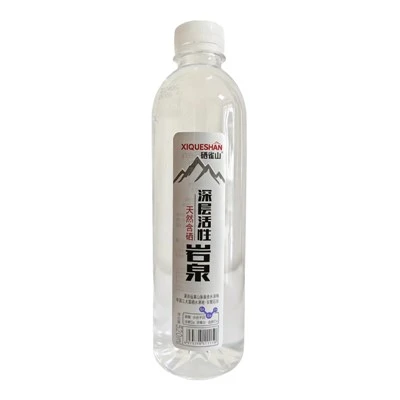
I recommend using Mineral Natural Water. Mineral water contains natural minerals such as calcium, magnesium, and potassium, which can enhance the flavor of your tea. These minerals interact with the tea leaves and honey, bringing out their best flavors.
Active Mineral Water is another excellent option. It has a higher mineral content and a unique taste that can add an extra dimension to your honey tea. The active minerals in this water can also help to balance the sweetness of the honey and the bitterness of the tea.


Brewing Techniques
Proper brewing techniques are key to making a great honey tea. The temperature of the water and the brewing time can have a significant impact on the flavor of your tea.
For black tea, use boiling water (100°C) and steep for 3 - 5 minutes. This allows the tea leaves to fully release their flavors. Green tea, however, should be brewed with water that is around 80 - 85°C and steeped for 1 - 3 minutes. Using boiling water on green tea can result in a bitter taste.
White tea is best brewed with water at 70 - 80°C and steeped for 2 - 4 minutes. Herbal teas can be brewed with boiling water and steeped for 5 - 10 minutes, depending on the type of herb.
Once the tea is brewed, let it cool slightly before adding honey. Adding honey to boiling water can destroy some of its beneficial enzymes and nutrients, and it may also cause the honey to lose its flavor.
Adding Additional Flavors
To take your honey tea to the next level, consider adding additional flavors. Citrus fruits, such as lemon or orange, can add a refreshing and tangy note to your tea. Simply squeeze a small amount of fresh citrus juice into your tea and stir.
Spices are another great way to enhance the flavor of your honey tea. Cinnamon, ginger, and cardamom are popular choices. You can add a cinnamon stick, a slice of fresh ginger, or a few cardamom pods to your tea while it's brewing. These spices not only add flavor but also have health benefits.
For a creamier texture, you can add a splash of milk or cream to your honey tea. This works particularly well with black tea. You can use regular milk, almond milk, or coconut milk, depending on your preference.
Presentation
The presentation of your honey tea can also affect how it tastes. A beautiful glass or cup can make the tea more appealing and enhance the overall experience. You can also add a slice of lemon or a sprig of mint as a garnish.
Pairing with Food
Honey tea can be a wonderful accompaniment to food. It pairs well with a variety of snacks and desserts. For example, it goes great with scones, biscuits, or fruit tarts. The sweetness of the honey tea can balance the richness of the food, creating a harmonious flavor combination.
Marketing and Selling Your Honey Tea
As a honey tea drink supplier, it's important to market your product effectively. Highlight the unique flavors and health benefits of your honey tea. You can create tasting events to allow customers to sample your products. Provide information about the ingredients, such as the type of honey and tea used, and the water quality.
You can also offer different flavors and blends of honey tea to cater to a wider range of tastes. For example, you could create a seasonal honey tea blend that incorporates flavors like pumpkin spice in the fall or strawberry in the summer.
Contact for Purchase and Collaboration
If you're interested in purchasing our high - quality honey tea drinks or collaborating with us, we'd love to hear from you. Our honey tea is made with the finest ingredients, including carefully selected honey and premium tea, and is brewed using the best techniques to ensure a delicious and satisfying taste. Whether you're a retailer, a café owner, or a distributor, we can provide you with the perfect honey tea products to meet your needs. Reach out to us to start a discussion about your requirements and explore the possibilities of working together.
References
- "The Tea Enthusiast's Handbook" by Mary Lou Heiss and Robert J. Heiss
- "Honey: A Comprehensive Guide to the World's Most Versatile Sweetener" by Ron Fessenden
- "The Science of Tea" by Joseph Harbowy and E. Michèle Scoggins